
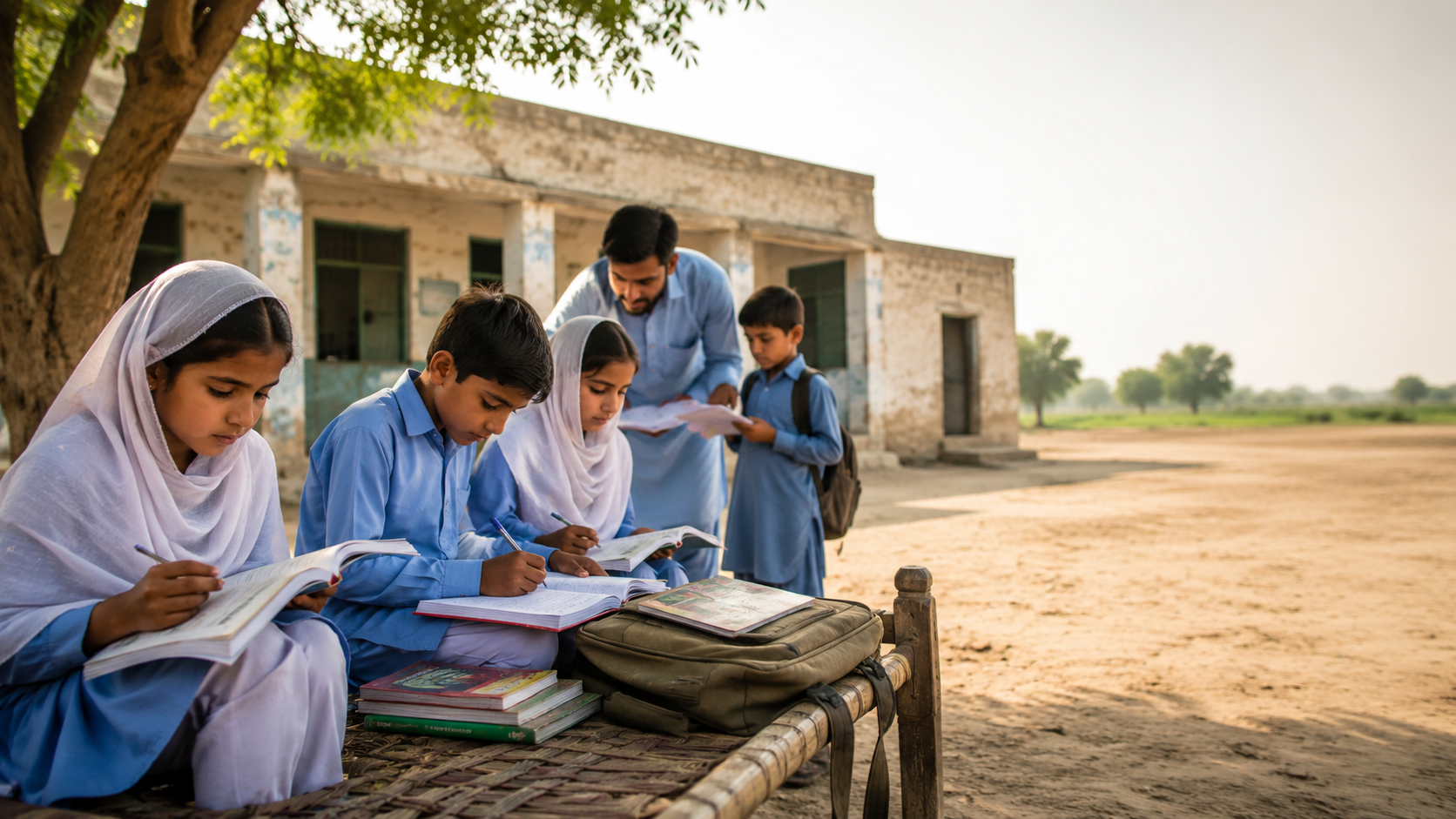
Educational Challenges Faced by Underprivileged Students and Available Support Programs
Education is one of the most important tools for improving lives and creating opportunities for future generations. However, many underprivileged students in Pakistan continue to face serious challenges that affect their ability to access quality education. Financial difficulties, limited educational resources, transportation issues, and a lack of awareness often prevent students from completing their studies.
To address these challenges, various government and social support programs have been introduced to help deserving families and ensure that children can continue their education.
Major Educational Challenges Faced by Underprivileged Students
1. Financial Constraints
One of the biggest obstacles for students from low-income families is the cost of education. Although many public schools offer affordable education, families still struggle to cover expenses such as books, uniforms, transportation, examination fees, and other school-related costs.
As a result, many students are forced to leave school and contribute to household income instead of continuing their education.
2. Lack of Educational Resources
Students living in rural and underserved areas often have limited access to libraries, computers, internet services, and learning materials. This creates a gap between students in urban areas and those in remote communities.
Without adequate resources, students may find it difficult to keep up with modern educational requirements.
3. Transportation Problems
In many regions, schools are located far from residential areas. Students often travel long distances to attend classes, which can lead to irregular attendance and increased dropout rates.
Transportation costs can also place an additional burden on families already facing financial difficulties.
4. Child Labor and Family Responsibilities
Many children from economically disadvantaged households are required to work or assist with family responsibilities. This reduces the time available for studying and often forces students to leave school at an early age.
Child labor remains a significant barrier to educational development in several communities.
5. Limited Access to Higher Education
Even when students complete their basic education, pursuing college or university studies can be difficult due to tuition fees and living expenses. Many talented students are unable to continue their academic journey because of financial limitations.
Support Programs Helping Students and Families
Recognizing these challenges, the Government of Pakistan and various welfare organizations have launched support initiatives aimed at helping deserving families.
Benazir Income Support Programme (BISP)
The Benazir Income Support Programme provides financial assistance to low-income households across Pakistan. The support helps families manage basic expenses and can indirectly contribute to children’s education by reducing financial pressure.
Educational Scholarships
Several federal and provincial scholarship programs provide financial aid to deserving students. These scholarships help cover tuition fees, educational materials, and other academic expenses.
School Stipend Programs
Many provinces offer stipend programs that encourage school attendance, particularly among girls and students from disadvantaged backgrounds. These initiatives help improve enrollment and reduce dropout rates.
Ehsaas Support Initiatives
The government has also introduced welfare programs designed to assist vulnerable families. Information regarding eligibility criteria, registration procedures, and updates related to the ehsaas program can help families understand the support available to them and access benefits that may contribute to their children’s educational continuity.
The Importance of Social Support for Education
Financial support programs play an important role in reducing educational inequality. When families receive assistance for basic living expenses, they are often better positioned to keep their children enrolled in school.
Support initiatives also help students focus on learning rather than worrying about financial challenges at home.
Conclusion
Underprivileged students face numerous barriers that can limit their educational opportunities. Financial hardships, lack of resources, transportation difficulties, and limited access to higher education continue to affect thousands of students across Pakistan.
Government assistance programs, scholarships, stipends, and welfare initiatives provide valuable support to deserving families. By increasing awareness of these opportunities and ensuring access to assistance programs, Pakistan can help more students stay in school and build a brighter future through education.